Chelmsford City Council rules for bulky rubbish and garden waste: a practical local guide
If you are trying to clear a sofa, a broken wardrobe, a pile of hedge cuttings, or the aftermath of a weekend garden tidy-up, the rules can feel oddly specific. That is usually where people get stuck. Chelmsford City Council rules for bulky rubbish and garden waste are there to keep collections safe, manageable, and fair for everyone - but you still need to know what counts as bulky waste, what counts as garden waste, what the council will take, and what happens when it will not.
This guide walks through the basics in plain English, then goes a step further. You will see how the process usually works, the most common mistakes, and when a private clearance service may make more sense. Truth be told, a little planning here saves a lot of hassle later. And no one wants bags of damp clippings sitting by the gate on a windy morning. Been there, unpleasant.
Table of Contents
- Why Chelmsford City Council rules for bulky rubbish and garden waste Matters
- How Chelmsford City Council rules for bulky rubbish and garden waste Works
- Key Benefits and Practical Advantages
- Who This Is For and When It Makes Sense
- Step-by-Step Guidance
- Expert Tips for Better Results
- Common Mistakes to Avoid
- Tools, Resources and Recommendations
- Law, Compliance, Standards, or Best Practice
- Options, Methods, or Comparison Table
- Case Study or Real-World Example
- Practical Checklist
- Conclusion
- Frequently Asked Questions
Why Chelmsford City Council rules for bulky rubbish and garden waste Matters
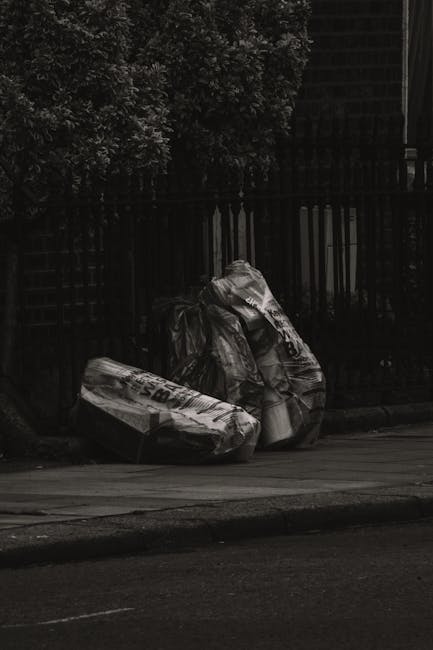
Bulky items and garden waste are not the same as everyday black-bag rubbish. They behave differently, they are handled differently, and they can create problems if they are left out incorrectly. A mattress or old chest of drawers can block access, attract rain, and make a collection point messy fast. Garden waste can rot, leak, or blow around if it is not contained properly.
That is why council rules matter. They are not there to be awkward for the sake of it. They are there to keep streets tidy, protect collection crews, and make sure the right material goes to the right place. In practical terms, following the rules helps you avoid missed collections, extra charges, and the sort of back-and-forth that turns a simple job into a whole week of faff.
For Chelmsford residents, this matters even more during common clear-out moments: spring garden tidy-ups, move-out dates, renovations, and post-holiday declutters. One overflowing pile can quickly become several. If you get the approach right early, the job feels lighter. Simple as that.
Expert summary: bulky rubbish is best treated as a planned collection, not an afterthought. Garden waste is best sorted, bundled, and kept separate from general rubbish. That one habit avoids most problems.
If you are dealing with a bigger household clear-out alongside garden waste, it can also help to think in categories. Furniture, loft contents, garage clutter, and outdoor cuttings each need a different disposal route. Services such as house clearance or garden clearance can be useful when the job has grown beyond a single council collection. Not always necessary, but very handy when it is.
How Chelmsford City Council rules for bulky rubbish and garden waste Works
While exact council arrangements can change over time, the basic structure is usually similar. You identify what type of waste you have, check whether it is eligible for a bulky collection or green waste collection, and then arrange it in the way the council requires. The important part is matching the item to the correct service.
Bulky rubbish
Bulky rubbish generally means large household items that are too big for normal bin collections. Think sofas, wardrobes, tables, beds, or white goods. Some items may be accepted only if they are safe to handle and do not contain hazards, fluids, or specialist components. A damaged fridge, for example, is not just "an old appliance"; it may need special treatment. That distinction matters.
Garden waste
Garden waste usually means organic material from outdoor maintenance: grass cuttings, hedge trimmings, leaves, small branches, weeds, and similar green material. It does not usually include soil, rubble, turf in large quantities, or general rubbish mixed in with the clippings. Councils tend to want it presented neatly and separately, because mixed waste is slower and more expensive to process.
Presentation rules
Most collection systems depend on presentation. That means items may need to be placed in the correct location, by the right time, and in the right condition. For bulky waste, it might mean leaving items outside the property boundary but not blocking the pavement. For garden waste, it often means using approved bins, sacks, or tied bundles rather than loose piles. A wet heap of ivy and grass is nobody's favourite Monday morning.
Booking and access
Many councils require a booking before collection. You may need to list the items, confirm access, and make sure the crew can reach them safely. If the item is behind a locked gate, down narrow steps, or inside a flat, that can affect how the service works. When access is awkward, a more flexible option such as flat clearance or loft clearance may be more practical than trying to force a standard collection to fit the job.
One small but useful point: do not assume "garden waste" means everything from outside. Broken plant pots, fence panels, paving slabs, and bags of builders' spoil are usually treated differently. That misunderstanding causes a lot of confusion. More than you'd think.
Key Benefits and Practical Advantages
Using the council route properly can be the cleanest and most cost-conscious option for many households. It keeps the process local, structured, and predictable. There is comfort in that. You know what you are dealing with and what is expected of you.
- Clear rules: you know what can be collected and how it should be presented.
- Lower risk of errors: separating bulky waste and green waste reduces the chance of a rejected collection.
- Better environmental handling: organic garden waste and reusable items are easier to route correctly when sorted well.
- Less clutter around the home: a planned collection stops waste building up in the garage, hallway, or garden.
- Safer access for everyone: fewer trip hazards and less lifting chaos on collection day.
There is also a time benefit, though people often overlook it. A quick, well-prepared collection is less stressful than one that drags on because items were mixed, damaged, or left in the wrong spot. If you have ever spent a Saturday afternoon moving the same two bags from shed to driveway and back again, you know exactly what that means.
When the amount of material is larger than a typical council collection, or the waste is a mix of furniture, green waste, and general household items, a more tailored clearance can save energy. In those cases, services like waste removal or furniture disposal may fit the situation better than trying to force everything into one lane.
Who This Is For and When It Makes Sense
This topic is relevant to a lot of people, not just those doing a big spring clean. If you live in Chelmsford and you have ever wondered whether that old chair, hedge trimmer, or pile of branches can go with the council, you are in the right place.
It makes sense for:
- homeowners clearing out bulky items after redecorating
- tenants moving out and dealing with leftover furniture
- garden owners with seasonal cuttings and pruning waste
- landlords preparing a property for new occupiers
- small offices or business premises with mixed non-hazardous waste
- people with limited time, limited lifting help, or limited storage space
It may also make sense if you are already dealing with a larger clearance and want a cleaner all-in-one solution. For example, a garage full of broken furniture, old tools, and bags of leaves is not really one tidy job. It is three or four jobs disguised as one. In that case, a garage clearance can be a more realistic route.
Garden waste rules also matter if you are finishing work after a wet week. Wet cuttings weigh more than people expect, and branches shed bits everywhere. The sooner it is sorted, the easier it becomes. There is no magic to it, just steady sorting and a bit of patience.
Step-by-Step Guidance
If you want the process to run smoothly, treat it like a short project rather than a chore you are trying to get rid of in five minutes. Here is a practical way to approach it.
- Separate your waste into categories. Put bulky household items in one group and garden waste in another. Keep builders' debris, food waste, and general rubbish out of both piles.
- Check what condition the items are in. Broken glass, sharp edges, leaking materials, and contaminated items may need special handling.
- Measure the space and access. Note whether the item can get through doors, up stairs, down narrow paths, or out to the front boundary.
- Prepare the waste properly. Tie branches where needed, bag loose cuttings, and avoid overfilling sacks so they can be lifted safely.
- Confirm the collection method. If you are booking a council service, make sure you understand where items should be placed and by when.
- Keep the collection area clear. Don't park in front of access if you can help it. It sounds obvious, but cars have a habit of moving into exactly the wrong spot.
- Follow up quickly if something changes. If the waste mix changes or more items appear, adjust the plan before collection day rather than after.
For larger household jobs, you may find that a fuller service is easier than multiple small trips. A combined home clearance or furniture clearance can be surprisingly efficient when rooms, loft spaces, and outdoor areas all need attention at once.
A small but useful habit: take a photo of what you have grouped together before collection. It helps if you later need to check what was included, and it makes quotes or collection requests clearer. Not glamorous, but practical. Very practical.
Expert Tips for Better Results
Here are the things that tend to make the biggest difference in real life, not just on paper.
- Sort before you move. Moving mixed waste twice is the quickest way to waste time. Sort it at the source.
- Keep green waste dry where possible. A damp heap is heavier and messier. If you can store it under cover for a short time, do.
- Think about lifting weight, not just volume. A small bag of wet soil can be more awkward than a large box of dry cardboard.
- Watch for hidden mixed waste. Compost bags often contain plastic ties, old flowerpots, or broken garden tools. That mix can cause issues.
- Use the right service for the scale of the job. A single chair is one thing; six chairs, a mattress, and hedge trimmings is another.
- Plan around weather. A dry morning makes a collection feel much easier than a rainy one. It really does.
One thing I often tell people: if you are standing in the garden wondering whether the heap is too mixed to be sensible, it probably is. That is the moment to pause and split it up. Saves a headache later.
For outdoor waste from a bigger tidy-up, the dedicated garden clearance route can be especially helpful when branches, clippings, and old pots have piled up together. And if the job is spread across a shed, garage, and driveway, it might be worth looking at a more general waste removal solution instead of trying to piece it together bit by bit.
Common Mistakes to Avoid
Most problems come from a handful of very ordinary mistakes. Nothing dramatic. Just avoidable stuff.
- Mixing bulky waste with garden waste. Councils usually want these handled separately.
- Leaving items in the wrong place. A collection point that blocks pavements, driveways, or shared access can lead to delay.
- Adding restricted items without checking. Some items simply need separate treatment.
- Overfilling bags or bundles. If it cannot be lifted safely, it may not be taken.
- Assuming all outdoor waste is green waste. Soil, rubble, timber, and hard landscaping materials are often different categories.
- Waiting until the waste becomes a safety problem. Broken furniture, sharp branches, and wet bags can all create trip hazards.
Another common snag is underestimating volume. A pile that looks small on the lawn can seem much larger once stacked into bags. People are forever surprised by that. Not a criticism - just a fact of how waste behaves once you start gathering it.
If your project includes construction or refurbishment leftovers as well, do not treat that as standard bulky rubbish. Materials from DIY and works often fall into separate handling, and a builders waste clearance may be the cleaner route.
Tools, Resources and Recommendations
You do not need specialist equipment for most straightforward jobs, but a few simple tools make the work safer and cleaner.
- Heavy-duty bin bags or rubble sacks: useful for cuttings, leaves, and loose bits.
- Gloves: good for thorny stems, splinters, and old furniture edges.
- Secateurs or loppers: help reduce bulky branches into manageable sections.
- Dust sheet or tarp: handy when loading waste or keeping things contained.
- Tape measure: useful if you need to check whether an item will fit through a doorway or gate.
- Phone camera: great for taking a quick record of what is ready to go.
For people who prefer to avoid multiple trips, it can be worth comparing the convenience of council collections against a booked clearance service. The right choice often depends on the size of the load, your access, and how much sorting you can realistically do yourself.
If you are considering a commercial provider, look for plain, transparent information about pricing and what is included. Pages such as pricing and quotes, payment and security, and insurance and safety can help you judge whether the service feels properly organised. That reassurance matters, especially when someone is entering your home or garden.
It also helps to check the company's approach to sustainability. Waste is not just about removal; it is about what happens next. A service that takes sorting and recycling seriously is usually easier to trust.
Law, Compliance, Standards, or Best Practice
Waste handling in the UK is not something to be casual about. There are legal duties around safe storage, responsible transfer, and correct disposal of waste, especially when materials are handed to a third party. You do not need to become a compliance specialist, but you should understand the basics.
For householders, the main best practice is simple: only put out what the service accepts, present it correctly, and avoid mixing waste streams. If you arrange a private collection, make sure the provider is appropriate for the type of waste involved and that the work is carried out safely. That includes sensible lifting, vehicle access, and careful handling around pedestrians and neighbours.
Garden waste should be kept free from contamination where possible. Plastic plant labels, pots, wire, and general household rubbish can turn a straightforward green waste load into a much more awkward one. The same goes for bulky rubbish. Upholstered furniture, appliances, and mixed material items all need careful assessment before collection.
Best practice also means using reasonable judgement. If something is sharp, leaking, too heavy to move safely, or likely to break apart while being carried, stop and rethink the approach. A little caution now is far better than a painful surprise later. That is not drama - just common sense.
When you need a fuller domestic clearance and want it handled neatly, a structured service such as house clearance can be more suitable than trying to manage collections in stages. For business premises, the same principle applies, just with more pressure and less spare time. In those situations, business waste removal can provide a more streamlined option.
Options, Methods, or Comparison Table
If you are deciding how to clear bulky rubbish or garden waste, the best choice usually depends on speed, effort, volume, and access. Here is a simple comparison.
| Method | Best for | Main advantage | Possible drawback |
|---|---|---|---|
| Council bulky waste collection | Single or small numbers of large household items | Structured, local, usually straightforward | May have limits on item type, quantity, and presentation |
| Council garden waste collection | Regular or seasonal green waste | Good for clean, sorted organic material | Mixed or contaminated waste may not be accepted |
| Private waste removal | Mixed loads, awkward access, larger clear-outs | More flexible and often faster | Usually needs more careful comparison on cost and scope |
| Dedicated furniture or room clearance | Old furniture, storage rooms, end-of-tenancy jobs | Useful when items are spread across the property | May be more than you need for one or two items |
There is no single best answer for everyone. If you have one broken dining chair and a few hedge cuttings, the council route may be perfect. If you have a garden full of pruning waste and a garage that has quietly turned into a museum of broken stuff, a broader clearance is probably less stressful.
Case Study or Real-World Example
A fairly typical Chelmsford scenario goes like this. A family finishes a garden overhaul on a Saturday morning. There are bags of grass, several tied bundles of branches, an old bench with rusted screws, and a stack of cracked pots. At the same time, the shed contains a broken shelving unit and an old chair. Nothing outrageous, just the usual "we'll deal with it later" pile that has grown legs.
At first glance, it all looks like one job. But it is really two: green waste and bulky household waste. The family separates the cuttings from the bench and chair, trims the branches to a manageable length, and checks which items need another route. The result is less clutter at the property entrance, a cleaner load, and fewer delays. It sounds small, but the difference is huge.
In another, slightly messier version of the same story, the garden waste is mixed with soil, broken tiles, and plastic trays. That is when things become harder. A small correction in the sorting stage would have saved time, and probably a bit of irritation too. If the job had spread into the loft and garage as well, it would have been a stronger candidate for a combined home clearance or garage clearance.
The useful lesson? Think in categories first, not in piles. It makes the whole thing easier. Honestly, it does.
Practical Checklist
Before collection day, run through this quick list.
- Have I separated bulky rubbish from garden waste?
- Are any items hazardous, leaking, sharp, or unusually heavy?
- Have I checked whether the waste is clean and acceptable for the chosen service?
- Are branches tied, sacks manageable, and loose cuttings contained?
- Do I know exactly where items should be left?
- Is access clear for pedestrians, neighbours, and collection crews?
- Have I removed anything that should stay behind, such as personal papers or valuables?
- If the job is larger than expected, do I need a fuller furniture clearance or general waste removal service instead?
One last tip: if you are unsure about a specific item, step back and ask whether it truly belongs in the same pile. That pause takes ten seconds and can prevent a rejected collection. Small thing, big payoff.
Get a free quote today and see how much you can save.
Conclusion
Chelmsford City Council rules for bulky rubbish and garden waste are really about organisation, safety, and using the right route for the right material. Once you separate bulky items from green waste, check the handling rules, and prepare the load properly, the whole process becomes much less stressful.
For smaller jobs, the council route may be all you need. For bigger clear-outs, awkward access, or mixed loads, a dedicated clearance service can be the calmer option. Either way, the best results come from a bit of sorting upfront and a clear plan. Not glamorous, sure. But effective.
And when the last bag is gone, the garden feels lighter, the room looks bigger, and the whole place breathes again. That quiet relief is worth the effort.
Frequently Asked Questions
What counts as bulky rubbish under Chelmsford City Council rules?
Bulky rubbish usually means large household items that do not fit in a standard bin, such as sofas, beds, wardrobes, tables, and similar furniture. Exact acceptance can vary, so it is wise to check the item type and condition before arranging collection.
What is classed as garden waste?
Garden waste normally includes grass cuttings, leaves, hedge trimmings, weeds, and small branches. It is usually organic material from routine garden maintenance, not general rubbish or hard landscaping waste.
Can I put garden waste and bulky waste out together?
Usually not if you want the smoothest collection. Councils typically want them separated because they are handled differently. Mixing them can cause delays or refusal.
Will the council collect broken furniture?
Often yes, if it falls within the bulky waste service and is safe to collect. However, some items may have restrictions, especially if they are contaminated, too heavy, or require special handling.
Can I include soil or rubble with garden waste?
Usually no. Soil, rubble, turf, and other heavy landscaping materials are often treated separately from green garden waste. That distinction is important because it affects how the material is processed.
What should I do if my waste is mixed and messy?
Sort it into separate piles before collection if possible. Keep organic garden waste apart from furniture, plastics, and other household items. If the load is too mixed, a private clearance may be easier.
How do I make bulky waste easier to collect?
Clear the access route, place items where instructed, and make sure the load is safe to lift. If possible, break items down into manageable pieces and remove any loose contents.
Is a private clearance better than a council collection?
It depends on the job. Council collections can be ideal for smaller, simple loads. Private clearance is often better for larger, mixed, or awkward jobs, especially if you want less lifting and less sorting yourself.
Do I need to be at home for collection?
That depends on the service and how access is arranged. Some collections can be completed without you being present if everything is clearly prepared, but it is always best to confirm the process in advance.
What if I also have waste in the loft or garage?
If the waste has spread beyond one area, a broader service may be more practical. Jobs involving lofts, garages, and furniture often fit better into a general clearance rather than separate small collections.
How do I avoid a rejected collection?
Separate waste carefully, follow presentation rules, and avoid putting out restricted items. A quick final check the day before collection usually catches most problems.
Where can I get help with a bigger clear-out in Chelmsford?
If the waste is more than a simple council collection, it may help to speak with a local clearance company that handles household, garden, and mixed waste. That can be especially useful when the job involves furniture, garages, or full-property clear-outs.