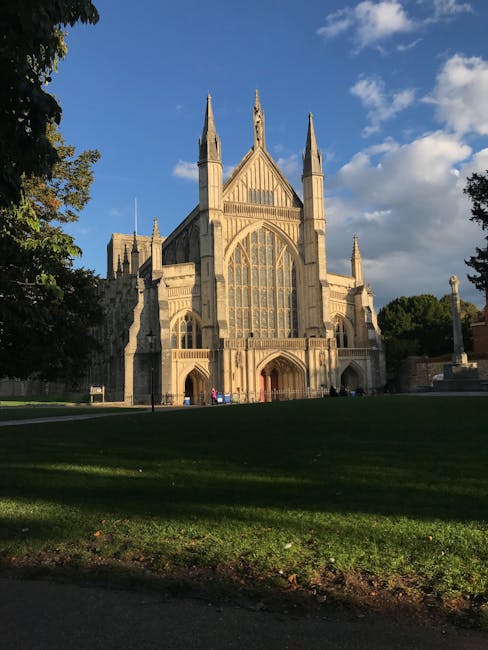
Chelmsford Cathedral Rubbish Removal Guide for Historic Zone
If you need to arrange rubbish removal near Chelmsford Cathedral, you are dealing with more than a simple clear-out. The historic zone around the Cathedral has its own rhythm: tighter access, foot traffic, older buildings, sensitive surroundings, and a bit more planning than a normal domestic job. This Chelmsford Cathedral rubbish removal guide for historic zone is here to make the whole process feel manageable, whether you are clearing a flat, a shop unit, an office, or a property tucked into one of the nearby streets.
Truth be told, most problems in heritage areas come from rushed decisions rather than difficult waste itself. A few skips of thought save a lot of hassle later. In the sections below, you'll find practical advice on what to remove, what to avoid, how to plan access, what kind of service suits the job, and how to stay on the right side of local expectations without turning the day into a headache.
Table of Contents
- Why Chelmsford Cathedral rubbish removal guide for historic zone matters
- How rubbish removal in the historic zone works
- Key benefits and practical advantages
- Who this is for and when it makes sense
- Step-by-step guidance
- Expert tips for better results
- Common mistakes to avoid
- Tools, resources and recommendations
- Law, compliance, standards and best practice
- Options, methods and comparison table
- Case study or real-world example
- Practical checklist
- Conclusion
- Frequently asked questions
Why Chelmsford Cathedral rubbish removal guide for historic zone Matters
The area around Chelmsford Cathedral is not a place where you can just throw waste together and hope for the best. Historic surroundings often mean shared access routes, narrower streets, preserved architecture, nearby businesses, and residents who notice noise, mess, and blocked pavements very quickly. That changes the whole game.
Rubbish removal in a historic zone matters because the wrong approach can create avoidable friction. A pile left out too long can look untidy, attract complaints, and make access difficult for neighbours, visitors, or delivery vehicles. On the other hand, a well-planned clear-out keeps things moving, reduces stress, and protects the appearance of the area. That is especially useful if you are dealing with an inherited property, an office move, or a renovation where time is already tight.
There is also a practical side people sometimes overlook. Historic zones often involve older properties with awkward staircases, limited parking, and less-than-perfect loading access. You may need a smaller vehicle, a staged removal, or a team that can work around the building rather than forcing the job. A sensible plan saves effort, and if you have ever carried a broken wardrobe down three floors in a narrow hallway, you know exactly what I mean.
For many jobs, the goal is not just disposal. It is tidy removal with minimal disruption. That small distinction matters more than people think.
How Chelmsford Cathedral rubbish removal guide for historic zone Works
Rubbish removal in a historic zone usually starts with understanding the site, the type of waste, and how the collection can happen without getting in anyone's way. In practice, the process is fairly straightforward, but the details matter.
First, sort the waste into broad groups. General mixed rubbish, old furniture, garden waste, builders' rubble, office items, and electricals all tend to need slightly different handling. That does not mean you need a spreadsheet and a clipboard, but a rough sort before collection makes the job much smoother. It also helps avoid the classic "where on earth did all this come from?" moment halfway through.
Next comes access planning. In the Cathedral area, this may involve checking parking, lift access, entry codes, timing restrictions, loading space, and whether the items need to come through a shared hallway or an external route. A collection can look simple on paper and still become awkward if the van cannot get near the entrance.
Then there is the collection itself. A professional service will usually assess the load, lift items carefully, and remove waste in a way that protects both the property and the surrounding area. For smaller jobs, this might be a quick single visit. For larger clearances, it may be staged so you are not left with bags and furniture sitting around overnight.
If you are comparing options, the right service depends on what kind of waste you have. A domestic house clear-out is very different from a commercial strip-out or builder's waste run. Services such as house clearance, flat clearance, and builders waste clearance each suit different situations, and that distinction is worth getting right from the start.
Key Benefits and Practical Advantages
When rubbish removal is handled well in a heritage setting, the benefits go well beyond "it's gone." The real value is in the smoothness of the whole thing.
- Less disruption: Good planning keeps footpaths, entrances, and neighbours' routines intact.
- Safer handling: Heavy or awkward items are moved without damaging plaster, stonework, flooring, or bannisters.
- Cleaner presentation: Important if you are selling, letting, or renovating a property near the Cathedral.
- Better sorting: Reusable furniture, recyclable materials, and general rubbish can be separated more sensibly.
- Less personal stress: Let's face it, clearance jobs are rarely anyone's favourite weekend activity.
There is also a time-saving advantage. In older parts of Chelmsford, a small delay can easily snowball into a bigger issue if parking, loading, or access is limited. A coordinated removal avoids that domino effect. One job done cleanly often prevents three more problems from appearing later.
For business owners, this can be particularly useful. A shop fit-out, office refresh, or stockroom clear-out near the Cathedral area needs to be handled quickly, neatly, and with minimal interruption to customers or staff. If that sounds familiar, office clearance and business waste removal are relevant services to consider.
Who This Is For and When It Makes Sense
This guide is for anyone who needs to remove waste from a property near Chelmsford Cathedral or within a historic part of town where access and presentation matter. That includes homeowners, landlords, tenants, solicitors handling estate matters, retailers, cafes, offices, builders, and letting agents.
It also makes sense if you are dealing with a mixed job rather than a simple bin bag collection. For example, a loft might contain broken furniture, suitcases, old paperwork, and bits of household clutter. A garage could hold paint tins, bike parts, and the sort of stuff people keep "just in case." We all know the box. The mysterious one.
Here are a few situations where this guide is especially relevant:
- you are clearing a property before sale or letting
- you are removing furniture from a flat or maisonette with awkward stairs
- you are managing renovation waste in a sensitive location
- you are emptying a garage, loft, or garden store
- you need business waste removed discreetly and quickly
For smaller domestic jobs, home clearance and loft clearance can be the right fit. For outdoor or side-access clutter, garden clearance and garage clearance may be more suitable.
One quick rule of thumb: if lifting, sorting, loading, and disposing would eat half your week, it probably makes sense to get help.
Step-by-Step Guidance
If you want the process to feel calm rather than chaotic, break it into clear stages. That is usually where the difference lies.
- Walk the property first. Note access points, stairs, parking space, fragile areas, and anything that needs special care.
- Separate the waste broadly. Keep furniture, general rubbish, electrical items, garden waste, and builders' debris apart if you can.
- Identify any items with value or sensitivity. Documents, sentimental items, electronics, and reusable furniture deserve a second look before removal.
- Check timing constraints. Think about neighbours, traffic, school times, or business opening hours.
- Choose the right service type. A single-item furniture collection is not the same as a full property clearance.
- Prepare the load area. Clear hallways, protect floors if needed, and make sure items can be reached safely.
- Confirm disposal expectations. Ask how different waste streams are handled, especially for mixed loads.
A useful local example: if you are clearing a first-floor flat near the Cathedral, narrow stairs and shared entrances may matter more than the total volume of waste. In that case, the best plan may be a smaller team or a staged removal rather than one large bulk load. Practical, not fancy. But effective.
For bulky items, you might also look at furniture clearance or furniture disposal if you are dealing with single pieces, mixed sets, or tired items that are beyond repair.
Expert Tips for Better Results
After enough clearances, a few patterns become very obvious. The jobs that go smoothly usually share the same habits.
- Photograph the waste before collection. It helps with planning and avoids awkward surprises on the day.
- Keep a small "save" pile. Put aside documents, keys, chargers, and anything you want to check later.
- Use labelled bags or stacks. Even rough labels like "keep," "recycle," and "go" save time.
- Allow a buffer. Historic areas rarely run exactly to plan, so leave room for parking delays or access issues.
- Think about neighbours. A quiet, tidy removal is always better than a noisy, rushed one.
One small thing people forget: dust and debris. An old cupboard dragged across a worn floor can release far more mess than expected. A blanket, sheet, or floor protector can make a surprising difference. Not glamorous, but very useful.
If you are dealing with a larger project, it can help to combine services. For example, a property renovation may need both waste removal and builders waste clearance so that mixed debris and leftover materials are handled properly.
And here is a simple truth: the more pre-sorting you do, the less the final bill or collection time tends to feel like a mystery.
Common Mistakes to Avoid
A lot of rubbish removal problems around historic areas come from a handful of avoidable mistakes. They are very normal, which is why they catch people out.
- Leaving access checks too late. Parking and loading are often the first things to go wrong.
- Mixing all waste together. It can make sorting slower and can complicate removal.
- Forgetting shared-space etiquette. Hallways, doorways, and pavements are not staging areas.
- Underestimating bulky items. A sofa looks manageable until it meets a narrow landing.
- Ignoring special waste. Paint, batteries, electricals, and some construction debris need extra care.
- Assuming every service is the same. Flat clearance, office clearance, and garden clearance all solve different problems.
Another subtle mistake is overpacking the job. If you try to clear a whole property, a loft, and a garden in one go without a plan, you may save a day at the start and lose two later. Better to sequence things properly.
There is also the "I'll just move it later" trap. Everyone does it. The pile becomes part of the furniture, then part of the scenery, then somehow part of the week. If you know, you know.
Tools, Resources and Recommendations
You do not need specialist equipment for every clearance, but a few basic tools and habits make the process smoother and safer.
- Heavy-duty sacks: useful for mixed rubbish and smaller loose items.
- Gloves: especially if you are handling dusty, sharp, or awkward waste.
- Blankets or floor protection: helpful in older properties with delicate surfaces.
- Tape and labels: handy for keeping "keep" items separate from waste.
- Phone camera: a quick way to document the job before and after.
- Storage boxes: useful for items that need review before disposal.
From a service point of view, it helps to choose a provider that offers the right kind of collection rather than a one-size-fits-all approach. For instance, if you need a full property emptied, house clearance or home clearance may be better than booking a generic collection. If the job is commercial, office clearance can be a better fit. Easy enough in principle, but it matters.
You can also learn more about the company's wider approach through about us, or make an enquiry through contact us when you are ready to move forward.
Law, Compliance, Standards and Best Practice
Because this topic involves waste, it is sensible to stay careful. You do not need to become a legal expert, but you should work to recognised UK waste-handling practices and avoid anything that could cause trouble later.
In simple terms, responsible rubbish removal means waste is collected, transported, and disposed of properly. That usually includes keeping general waste separate from items that need special handling, such as electricals, bulky furniture, or construction debris. If a service is dealing with waste on your behalf, it is reasonable to ask how it is handled and whether the process aligns with normal UK waste expectations.
Historic zones bring a further best-practice layer. Even where no special permission is needed for a straightforward removal, good behaviour matters: avoid blocking pavements, keep noise sensible, do not leave waste exposed for longer than necessary, and protect the building fabric. Chelmsford Cathedral and nearby streets deserve that care. Frankly, so do your neighbours.
If the job involves commercial premises or renovation debris, you may also want to confirm whether any trade waste arrangements, insurance expectations, or site access rules apply. That can sound dull, but it prevents awkward surprises. A five-minute check often saves a five-hour problem.
Practical rule: if the waste includes anything unusual, heavy, dusty, oily, sharp, or electrical, ask before loading. Better safe than sorry, every time.
Options, Methods and Comparison Table
There is no single "best" method for every job near the Cathedral. The right option depends on the volume, the type of waste, and how quickly you need it gone.
| Method | Best for | Strengths | Limitations |
|---|---|---|---|
| Man and van clearance | Small to medium mixed waste, furniture, quick clear-outs | Flexible, usually easier for tight access, fast turnaround | May need careful pre-sorting for mixed waste |
| Full house or home clearance | Complete properties, probate, end-of-tenancy, major declutter | Efficient for larger jobs, less lifting for you | Needs more planning, especially in older buildings |
| Specialist builders waste clearance | Renovation debris, plasterboard, offcuts, rubble | Better suited to trade-type waste | Not ideal for general household clutter |
| Dedicated furniture disposal | Single bulky items or multiple pieces of furniture | Simple and often quicker to organise | Not the best choice for a whole-property clear-out |
If your job is mainly bulky items, a furniture-focused service can be the cleanest option. If it is a whole building job, go broader. If it is a mixture of waste streams, ask for advice rather than guessing. That bit alone can make the whole process feel easier.
Case Study or Real-World Example
Here is a realistic example from the kind of situation people often face near historic town centres.
A landlord needs to clear a second-floor flat a short walk from Chelmsford Cathedral after a tenant moves out. The property contains a sofa, mattress, broken dining chairs, a few bags of general waste, and several boxes that look like they have moved house more than once. Access is tight, the stairwell is narrow, and parking outside is limited in the morning.
The first sensible step is not lifting everything at once. It is identifying what can be carried safely, what needs careful handling, and what should be set aside for disposal separately. The furniture goes in one group, the general rubbish in another, and any electrical items are checked before removal. The collection is scheduled outside the busiest period, so the team can work without blocking the entrance for long.
The result is simple: the flat is cleared, the hallway stays usable, and the building is not left looking like a temporary dump site. Nothing dramatic happened. Which is exactly the point. A good clearance should feel uneventful, almost boring. That is success, really.
This is also where specialised services help. A job like this might use flat clearance alongside furniture clearance, depending on what needs removing and how quickly the property must be turned around.
Practical Checklist
Use this checklist before your collection day. It keeps the job tidy and reduces the chance of avoidable delays.
- Confirm what waste is being removed
- Separate reusable items from rubbish
- Check access, parking, and loading space
- Protect floors or walls if the route is tight
- Keep important documents and valuables aside
- Group furniture, bags, and loose items logically
- Ask about mixed waste or specialist items
- Choose a time that avoids peak foot traffic where possible
- Make sure someone is available to answer access questions
- Walk through the space after the removal to check nothing has been missed
Quick takeaway: good rubbish removal near Chelmsford Cathedral is less about brute force and more about calm preparation, sensible timing, and choosing the right service for the job.
Conclusion
Rubbish removal in a historic zone asks for a little more care, but it does not need to be complicated. If you understand the access issues, sort the waste sensibly, and match the service to the job, you can clear a property near Chelmsford Cathedral without disrupting the area or creating unnecessary stress.
The real win is a clearance that feels controlled from start to finish. Not rushed, not messy, not full of surprises. Just handled properly, with respect for the building, the street, and your own time.
If you are planning a clearance now, the best next step is to choose the right service, ask the right questions, and get the details settled before the bags start piling up. Small effort first, smoother day later. That's usually how the best jobs go.
Get a free quote today and see how much you can save.
And if you want to understand more about the company behind the service, you can also review the terms and conditions and privacy policy before you book. No drama, just clarity.
Frequently Asked Questions
What is the best rubbish removal option near Chelmsford Cathedral?
The best option depends on the waste type and access. For mixed household items, a general clearance service is often easiest. For bulky furniture, a furniture-focused service may be better. For renovation debris, use a builders waste option.
Do historic zone properties need special rubbish removal planning?
Usually, yes. Older buildings and central locations often have tighter access, shared entrances, limited parking, and more foot traffic. A little planning helps avoid disruption and damage.
Can I leave waste outside for collection in the Cathedral area?
Sometimes, but it depends on the location, the amount of waste, and whether it blocks access or creates a mess. It is better to keep waste contained and only put it out when the collection is properly arranged.
How do I clear a flat near Chelmsford Cathedral with narrow stairs?
Measure or at least assess stair width, landings, and turning space before the job. A flat clearance service is usually the most practical choice, especially if there are sofas, beds, or heavy cupboards to move.
What should I do with old furniture from a historic property?
Set furniture aside separately so it can be removed efficiently. If the pieces are reusable, you may want to keep them apart from general rubbish. Otherwise, use furniture clearance or furniture disposal depending on the amount.
Is office waste treated differently from household rubbish?
Often, yes. Office items can include paper records, desks, monitors, and mixed commercial waste. A business or office clearance service is more suitable than a domestic-only approach.
How can I reduce the cost of rubbish removal?
Pre-sorting waste, removing personal items in advance, and grouping similar materials together can make the job quicker and cleaner. That often helps the service run more efficiently.
What if my clearance includes garden waste and broken items?
That is common. Garden waste and mixed household clutter can often be handled together, but it helps to mention everything upfront so the team brings the right approach.
Are there restrictions on builders waste near historic buildings?
There may be practical restrictions such as access, loading, noise, and keeping the area clean. The exact situation depends on the site, so it is wise to confirm the details before collection day.
How far in advance should I book a clearance?
For simple jobs, a short lead time may be enough. For larger or more sensitive clearances, especially in tight access areas, booking earlier gives you more flexibility and usually less stress.
Can I combine house clearance with loft or garage clearance?
Yes, and that is often efficient. If a property has clutter in multiple spaces, combining a house clearance with loft clearance or garage clearance can simplify the process.
How do I know which service page to choose?
Start with the main type of waste and the property layout. If you are unsure, use the contact page and describe the job in plain English. A good provider can usually point you in the right direction without making it complicated.