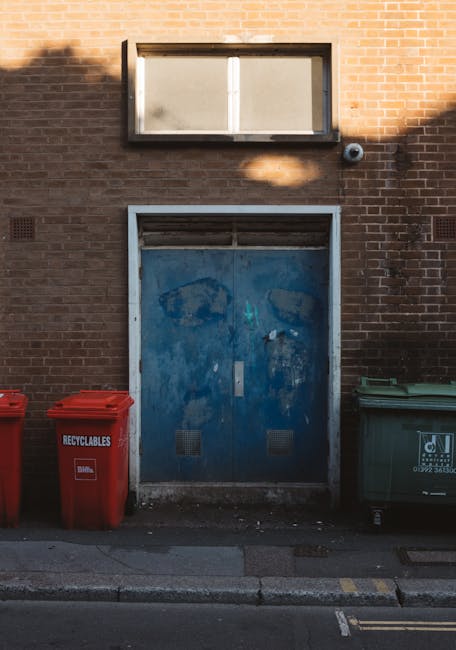
Broomfield Hospital bulky rubbish removal access guide
If you are trying to plan a bulky waste collection around Broomfield Hospital, the tricky part is rarely the lifting itself. It is the access. Tight roads, limited stopping space, hospital traffic, and the simple fact that nobody wants to block an entrance at the wrong moment can turn a straightforward job into a small headache. This Broomfield Hospital bulky rubbish removal access guide walks you through the practical side of getting items out safely, legally, and without causing delays for patients, staff, or visitors.
Whether you are clearing a home nearby, managing a property, helping a relative, or arranging a one-off collection for a workplace or supported living setting, the same basics apply: plan the route, check the loading point, think about timing, and keep the collection tidy. Sounds simple. In reality, a few small details make all the difference.
Below you will find a plain-English guide to access planning, common obstacles, the best way to prepare bulky rubbish, and what to do if the site is awkward or time-sensitive. If you are also comparing broader waste options, you may find it useful to look at bulky waste collection options and the wider rubbish removal services in London before you book.
Table of Contents
- Why Broomfield Hospital bulky rubbish removal access guide Matters
- How Broomfield Hospital bulky rubbish removal access guide Works
- Key Benefits and Practical Advantages
- Who This Is For and When It Makes Sense
- Step-by-Step Guidance
- Expert Tips for Better Results
- Common Mistakes to Avoid
- Tools, Resources and Recommendations
- Law, Compliance, Standards, or Best Practice
- Options, Methods, or Comparison Table
- Case Study or Real-World Example
- Practical Checklist
- Conclusion
- Frequently Asked Questions
Why Broomfield Hospital bulky rubbish removal access guide Matters
Hospital areas are not like a normal residential street. There is more movement, more pressure on kerbs and entrances, and far less tolerance for a vehicle that is parked in the wrong place for too long. That is why a clear access plan matters so much.
Bulky rubbish removal around Broomfield Hospital often involves more than just a van and a couple of strong hands. You may need to think about patient drop-off traffic, staff access, ambulance routes, restricted bays, and whether the collection point is actually reachable without carrying items half the length of a site. Truth be told, a collection can go from easy to awkward very quickly if the access is not thought through.
There is also the practical side. If waste is left in the wrong place, collection teams may have to make extra trips, use a smaller load, or delay the job until the route is clear. That can affect cost, timing, and the overall experience. In sensitive locations, it can also create avoidable stress for everyone involved.
For many people, the access issue is really the difference between a smooth, same-day clearance and a job that drags on. And nobody wants a skip bag sitting there all afternoon while vehicles come and go around it.
How Broomfield Hospital bulky rubbish removal access guide Works
The guide works by breaking the collection into a few simple questions:
- Where is the waste now?
- How close can a vehicle reasonably get?
- How heavy or awkward are the items?
- Are there time restrictions, parking limits, or estate rules?
- Can the team load safely without blocking essential access?
In practice, a good bulky rubbish removal plan starts before the vehicle arrives. You identify the items, estimate how much space they will take, and work out the best loading point. For example, a mattress and wardrobe from a flat above a shop are one thing; a mixed pile of broken office furniture, bags, and an old freezer from a side yard is another. Same principle, different logistics.
Most reliable collections follow a simple pattern: quote, access check, arrival window, loading, and disposal. If the access is tight, the provider may ask for more detail upfront so they can send the right vehicle and enough crew. That is a good sign. It usually means fewer surprises on the day.
For readers comparing property clearance routes, our house clearance London page is useful where the job involves more than just a few bulky items. If your situation is commercial, the commercial waste removal service may be a better fit.
Key Benefits and Practical Advantages
A proper access guide does more than save time. It reduces friction at exactly the point where most collections go wrong. That is especially valuable in hospital-adjacent areas, where access is often shared and people are moving quickly.
- Fewer delays: the crew can arrive prepared for the actual layout instead of guessing.
- Safer loading: less carrying distance means less strain and less risk of damage.
- Better scheduling: the job can be timed around quieter periods or access windows.
- Lower chance of refusal: if a van cannot reach the load point, the job may need reshaping; planning avoids that.
- Cleaner site control: waste is removed in one go rather than being dragged across walkways or parking areas.
There is also a softer benefit that people often overlook: peace of mind. If you are organising a clearance during a stressful period, perhaps after a hospital stay or while helping an elderly parent, you do not want to be guessing whether the collection vehicle will fit. You want certainty. Or at least a decent level of confidence, which is sometimes the best anyone can honestly promise.
Expert summary: The more constrained the access, the more important the planning. Measure the route, clarify parking, and describe the waste accurately. Those three things solve a surprising number of collection problems.
Who This Is For and When It Makes Sense
This guide is useful for anyone arranging bulky rubbish removal near Broomfield Hospital, but it is especially relevant if your collection point has awkward access or sits close to a busy route.
You will likely need this if you are:
- clearing a home, flat, or rental property near the hospital
- moving bulky waste from a clinic, office, or support facility
- helping a family member after a discharge, move, or bereavement
- dealing with one-off items such as furniture, white goods, or broken household goods
- trying to keep a site tidy without disrupting patients, staff, or neighbours
It also makes sense when the waste is not quite enough for a full skip but too much for a normal car. That awkward middle ground is where many people get stuck. A few wardrobes, a sofa, a broken chest freezer, a pile of bags, and an old desk can feel like a small mountain by the front door. Not huge, but definitely not a casual bin-run either.
If you are unsure whether your job is more like removal or full clearance, the practical difference usually comes down to volume, access, and sorting. Our waste removal London page is a useful starting point for understanding service scope, while office clearance London is more relevant where desks, chairs, cabinets, and paperwork are involved.
Step-by-Step Guidance
If you want the collection to go smoothly, treat it like a small logistics job rather than a last-minute tidy-up. Here is a sensible process.
- Identify every item to be removed. List what is going, including awkward pieces such as wardrobes, mattresses, or appliances.
- Check access from the street or car park. Look for narrow gates, bollards, height restrictions, one-way systems, loading bays, and any obvious obstacles.
- Decide where the vehicle can stop. The best point is usually the one that keeps carrying distances short without causing disruption.
- Ask about timing. Hospital-adjacent streets can be much easier early in the morning or outside peak movement times.
- Separate anything that needs special handling. Electrical items, sharp objects, liquids, and mixed materials may need different treatment.
- Clear the path. Move loose items, open gates, and make sure the route is not blocked by cars, trolleys, or stored goods.
- Confirm the loading point before collection day. A quick message or call can prevent a lot of confusion.
Here is the thing: a five-minute check often saves a thirty-minute delay later. That is not a dramatic claim, just everyday reality.
If a collection is happening near a busy entrance, try to stage the waste in a controlled place, not in a random pile that forces the crew to improvise. It sounds obvious, but people often underestimate how much easier loading becomes when the items are lined up and ready. Even small details, like removing loose drawers from a wardrobe or folding cardboard flat, can make a real difference.
For more complex clear-outs that involve multiple rooms or shared access, you may want to compare the process with professional clearance services. The same planning logic applies, just on a bigger scale.
Expert Tips for Better Results
In our experience, the best collections are rarely the most dramatic ones. They are the ones that were prepared calmly. A few small habits make the whole thing feel easier.
Be specific about access, not just waste volume
"A few items" is not enough if the route includes steps, tight corners, or a long carry from the loading point. Describe the route as clearly as possible. If the team knows they need to carry a sofa down a narrow path behind a building, they can plan for that.
Use photographs where possible
Photos are simple and very useful. A quick image of the waste pile, the gate, the parking space, or the entrance layout often tells the story better than a long message. No need for artistic quality. Blurry is fine if it shows the point.
Separate heavy and fragile items early
Mixing a broken table, paperwork, a radiator, and loose glass into one pile just slows everyone down. Sort the load into sensible groups if you can. It is not about perfection, just making the job safer.
Think about the morning rush
Hospital areas tend to have natural peaks in movement. Early arrivals, shift changes, appointment times, deliveries... it all adds up. If you can avoid those windows, do. It makes the collection feel calmer straight away.
Leave room for the unexpected
Sometimes the access looks fine until collection day, then a parked car or temporary barrier changes everything. A small amount of flexibility helps. To be fair, that is true of most site work in London and Essex too.
If you need a reliable same-day option for awkward loads, our same day rubbish removal London page explains how urgent jobs are usually handled.
Common Mistakes to Avoid
A lot of access problems are avoidable. They usually come from assumptions, not bad intent.
- Assuming a van can stop anywhere. Hospital roads and shared access routes often have restrictions that are easy to miss.
- Underestimating weight and awkwardness. A bulky item may look manageable until you try to turn it at a tight corner.
- Forgetting about traffic flow. Blocking an entrance for even a short time can create issues for others.
- Mixing prohibited or specialist waste with general bulky items. Certain materials need separate handling.
- Not measuring doorways, gates, or stairwells. A sofa that fits the room may still be impossible to remove without tilting, dismantling, or extra labour.
One of the most common slip-ups is simply not telling the provider that access is tight. People worry it will sound like a hassle, so they leave it out. But that almost always makes things worse. Be direct. A decent team would rather know in advance than discover a locked gate and a narrow path on arrival.
Another small but important mistake is leaving the waste in multiple tiny piles. That can look tidy to the person packing it, but for a collection team it can mean a lot of unnecessary back-and-forth. One consolidated load point is usually better, as long as it does not block access.
Tools, Resources and Recommendations
You do not need much equipment for a basic bulky rubbish removal job, but a few practical tools help.
- Measuring tape: useful for gates, doorways, corridors, and vehicle gaps.
- Phone camera: photographs of the access route can save a lot of explanation.
- Protective gloves: helpful for moving sharp or dusty items safely.
- Marker tape or chalk: useful for marking items that are staying versus going.
- Labels or simple notes: good for separating recyclable items from general waste.
For more involved clearances, a small checklist and a basic floor plan can be surprisingly helpful. Even a rough sketch with the gate, entrance, bins, loading point, and parking position marked on it can prevent confusion. It does not need to be pretty. In fact, the scruffier the sketch, the more honest it tends to be.
Where waste includes mixed household items, look at the broader household waste removal service. If the job is more about end-of-tenancy clean-out, our end of tenancy clearance page may be the better match.
Law, Compliance, Standards, or Best Practice
Bulky rubbish removal in the UK is not just a matter of convenience. Waste has to be handled responsibly, and the person arranging removal should make sure the provider is operating properly. You do not need to become an expert overnight, but a little care here matters.
At a practical level, best practice usually means:
- using a licensed waste carrier or reputable clearance provider
- keeping waste segregated where sensible
- avoiding obstruction of public access, emergency access, or pedestrian routes
- handling electrical items and any specialist waste with care
- making sure the load is secure during transit
If you are dealing with items that may contain confidential material, medical-related waste, sharps, or anything unusual, stop and clarify the correct handling route before collection. That is not something to guess at. Likewise, if the collection is happening near a hospital setting, it is wise to be extra careful about noise, timing, and obstruction. Basic courtesy goes a long way.
For commercial readers, the skip bag collection option can be useful where access is difficult but waste needs to be contained. And if the job is mixed with heavier building-type materials, see scrap metal removal for items that need a different treatment path.
Practical note: if anything about the waste seems unusual, ask before the collection day. It is far easier to confirm a detail than to fix a compliance problem after the van has arrived.
Options, Methods, or Comparison Table
There are a few common ways to deal with bulky rubbish near Broomfield Hospital. Which one works best depends on volume, access, urgency, and how much lifting you are prepared to do yourself.
| Method | Best for | Access advantage | Typical downside |
|---|---|---|---|
| Man-and-van bulky collection | Mixed items, urgent jobs, awkward access | Flexible stopping points and fast loading | May need accurate item descriptions upfront |
| Skip hire | Larger projects with predictable waste volume | Can suit longer clear-outs if there is space | Needs room for placement and may not suit tight hospital-adjacent access |
| Skip bag collection | Smaller to medium loads with some staging space | Flexible if you can place the bag near a reachable point | Load size and weight still need planning |
| Self-loading to a recycling point | Very small volumes and people with transport | No collection vehicle access needed | Time, lifting, fuel, and sorting all fall on you |
For many readers, the man-and-van model is the easiest answer where access is tight. It is adaptable, and that flexibility matters in a hospital area. But if the job is larger and the access point is predictable, other methods can be more efficient. There is no one perfect route. Just the one that fits the site.
Case Study or Real-World Example
A typical example goes like this. A family is helping clear a relative's flat not far from Broomfield Hospital after a move into care. The items include a sofa, a wardrobe, a microwave, a small chest of drawers, and several bags of mixed household bits. Nothing extreme. But the access is slightly fiddly: a rear path, a shared parking area, and limited stopping space out front.
Rather than waiting until the van arrives, they take a few photos of the route in the late afternoon, when the area is quiet. They measure the gate, check where a vehicle can stop without blocking movement, and group the items beside the rear entrance. On the day, the crew can load quickly, the handover is calm, and nobody has to guess where anything is meant to go. Simple. Almost boring, which is exactly what you want.
If they had skipped the prep, the result could easily have been different: items spread across two access points, a van parked too far away, and a stressful scramble to move things while people are coming and going. Not ideal, and honestly not worth the stress.
That is the real value of a good access guide. It turns a potentially messy collection into a controlled, workable job.
Practical Checklist
Use this before collection day. It is quick, and it helps more than you might expect.
- Have I listed every bulky item clearly?
- Do I know exactly where the waste will be staged?
- Can a vehicle reach the loading point without blocking essential access?
- Have I checked gates, widths, steps, and turning space?
- Have I shared any time restrictions or busy periods?
- Are electrical, sharp, or special items separated?
- Have I told the provider about any difficult access?
- Is there a clear contact number for the day?
- Do I know what happens if parking changes at short notice?
- Is the route clear of loose clutter, bins, and parked vehicles?
If you can tick most of those boxes, you are in good shape. If not, do the awkward little jobs now. Future you will be grateful.
Conclusion
A smooth bulky rubbish collection near Broomfield Hospital comes down to one thing: thoughtful access planning. Not dramatic. Just thoughtful. When you know where the waste is, where the vehicle can stop, and what the site conditions actually look like, the job becomes easier, safer, and far less stressful.
This Broomfield Hospital bulky rubbish removal access guide has covered the practical steps, the common pitfalls, and the real-world choices that matter most. If you are arranging a collection soon, focus on the route, the timing, and the way the items are staged. Those three details solve most of the headaches before they start.
And if the area feels a bit tricky, that is normal. A lot of removals are like that. Take it step by step, keep it clear, and you will get there without the panic. Sometimes that is the whole win, really.
Get a free quote today and see how much you can save.
Frequently Asked Questions
What is the best way to prepare bulky rubbish removal access near Broomfield Hospital?
The best approach is to identify the waste, check the route, confirm the loading point, and share any access limits before collection day. Photos help a lot, especially if the route is tight or shared.
Can a bulky waste team collect items from a hospital-adjacent property?
Yes, but access needs to be planned carefully. Hospital areas can have parking limits, traffic flow concerns, and narrow stopping points, so the provider needs accurate details before arrival.
What if the van cannot park right outside the property?
That is common enough. The crew may still be able to collect the items if there is a reasonable carrying distance. If the walk is long or the route is awkward, mention it early so the right vehicle and crew can be arranged.
Do I need to sort bulky rubbish before collection?
You do not always need to sort everything perfectly, but separating obvious groups helps. Electrical items, sharp objects, and anything unusual should be flagged in advance.
Is same-day bulky rubbish removal possible near Broomfield Hospital?
It can be, depending on availability and site access. The more detailed your access information is, the easier it is to confirm whether a same-day visit is realistic.
What are the most common access problems?
Common problems include narrow gates, parked cars, shared entrances, unclear loading points, and timing clashes with busy site traffic. A quick site check usually reveals the main risks.
Can bulky rubbish be collected from inside a building?
Yes, in many cases. Internal collection is common for flats, offices, and care-related clear-outs, but stairwells, lifts, and corridor width all affect how the job is handled.
How do I know whether I need bulky waste removal or full clearance?
If it is just a few large items, bulky waste removal is often enough. If the job includes multiple rooms, mixed contents, or lots of sorting, a fuller clearance service may be the better fit.
Are there items that need special handling?
Yes. Electricals, appliances, sharp materials, and any waste that may be confidential or hazardous should be checked before collection. Do not assume everything can be treated the same way.
What should I tell the provider before booking?
Give the item list, the access route, any parking restrictions, steps or narrow points, and the best time window. The more specific you are, the fewer surprises there will be on the day.
Will I save money by staging the waste myself?
Often, yes, because it can make loading quicker and simpler. But only if you stage it safely and without blocking access. Cheap and cheerful is fine; chaotic is not.
What happens if access changes on the day?
If a parked car, barrier, or site change affects access, contact the provider straight away. In many cases, a small adjustment solves the issue. If not, the collection may need to be rescheduled.